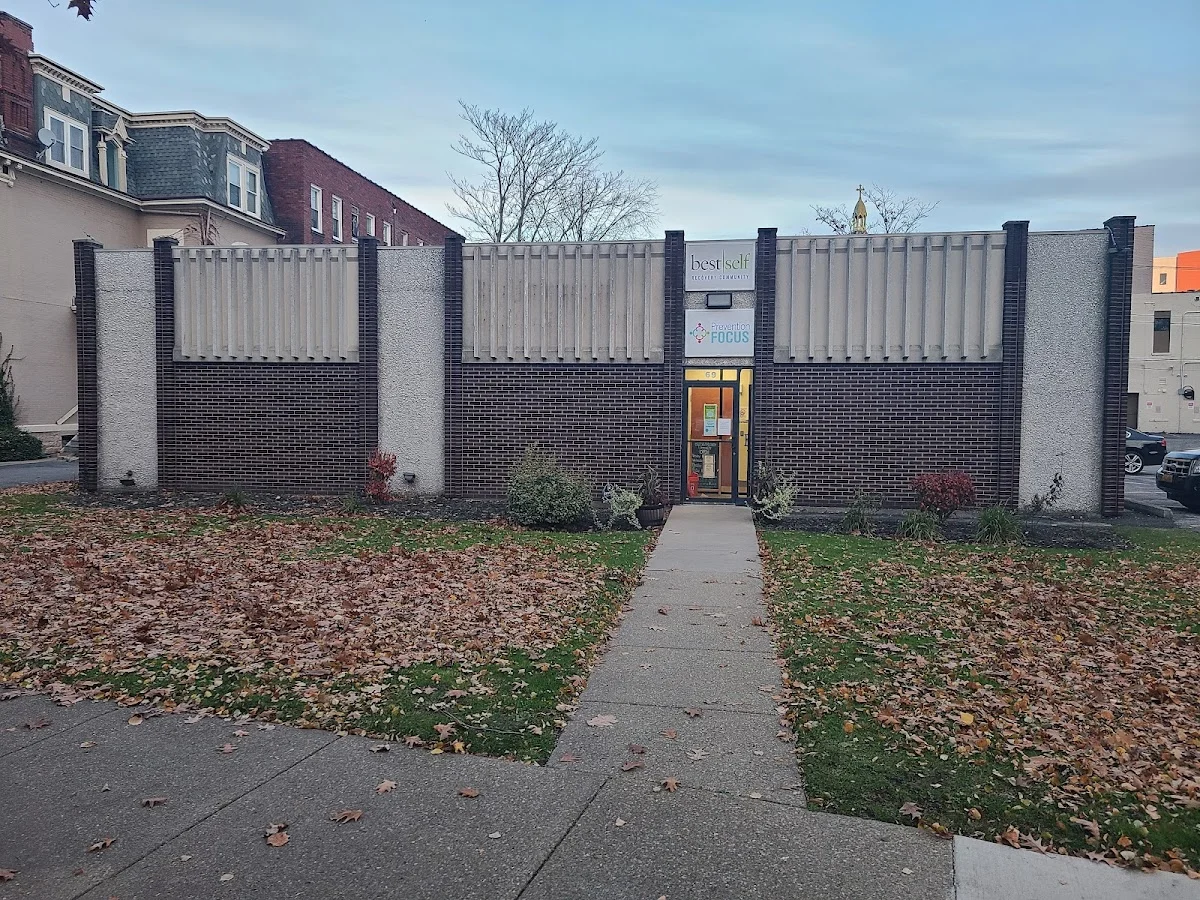
In Buffalo, NY, individuals struggling with addiction often face the additional challenge of co-occurring mental health disorders, a situation known as dual diagnosis. This complex interplay between addiction and mental health requires a specialized approach to treatment that addresses both issues simultaneously. Understanding dual diagnosis is crucial for those seeking effective recovery solutions.
What is Dual Diagnosis?
Dual diagnosis refers to the condition where an individual suffers from both a substance use disorder and a mental health disorder. This overlapping of issues can complicate recovery, as the symptoms of one disorder can aggravate the other. Therefore, effective treatment must encompass both aspects for sustainable recovery.
Common Co-Occurring Disorders
In Buffalo, several mental health disorders frequently co-occur with addiction. Understanding these common conditions can help individuals recognize their own experiences and seek appropriate help:
- Depression: This mood disorder can lead individuals to self-medicate with drugs or alcohol, exacerbating their symptoms.
- Anxiety: Many individuals use substances in an attempt to alleviate anxiety symptoms, creating a vicious cycle of dependence.
- Post-Traumatic Stress Disorder (PTSD): Survivors of trauma may turn to substances as a coping mechanism, which can hinder their recovery process.
- Bipolar Disorder: The mood swings associated with bipolar disorder can lead to impulsive substance use, complicating treatment efforts.
Importance of Simultaneous Treatment
Treating both mental health and addiction issues simultaneously is critical for several reasons:
- Each disorder can influence the severity of the other, making it challenging to achieve full recovery if only one is addressed.
- Integrated treatment allows for a more holistic approach, addressing the root causes of both disorders.
- Simultaneous treatment can lead to improved outcomes and a better quality of life.
Integrated Treatment Approaches
Integrated treatment combines therapeutic practices, medication management, and support systems, ensuring a comprehensive approach to recovery. Some key components include:
- Individualized Treatment Plans: Customized plans cater to the unique needs of each person, focusing on both mental health and substance use.
- Collaborative Care: This approach involves a team of professionals, including therapists, psychiatrists, and addiction specialists, working together to provide cohesive care.
What to Look for in a Dual Diagnosis Program in Buffalo
Choosing a dual diagnosis program in Buffalo requires careful consideration. Here are some essential factors to look for:
- Qualified Staff: Ensure that the program employs licensed professionals with expertise in both addiction and mental health disorders.
- Evidence-Based Practices: Look for programs that utilize proven therapeutic modalities and treatment strategies.
- Personalized Care: A good program will recognize the uniqueness of each individual and tailor treatment accordingly.
- Supportive Environment: The facility should provide a safe and nurturing space conducive to healing.
Medication Management in Recovery
Medication management plays a vital role in treating dual diagnosis. Appropriate medication can help stabilize mood, reduce cravings, and alleviate symptoms of mental health disorders. It is essential to work closely with a healthcare provider to monitor the effectiveness and adjust medications as needed throughout the recovery journey.
Therapy Modalities
Several therapy modalities have proven effective in treating dual diagnosis. Some of the most beneficial include:
- Cognitive Behavioral Therapy (CBT): CBT helps individuals identify and change negative thought patterns that contribute to both addiction and mental health issues.
- Dialectical Behavior Therapy (DBT): DBT focuses on developing coping skills and emotional regulation, particularly beneficial for those with borderline personality disorder and substance use disorders.
- Eye Movement Desensitization and Reprocessing (EMDR): This therapy is especially effective for individuals with PTSD, helping them process traumatic memories while reducing distress.
Local Buffalo Resources for Dual Diagnosis Treatment
Buffalo offers several resources for individuals seeking dual diagnosis treatment. Here are some notable options:
- Buffalo Psychiatric Center: Provides comprehensive mental health services, including dual diagnosis treatment programs.
- Horizons Health Services: Offers integrated treatment for mental health and substance use disorders, with a focus on individualized care.
- Recovery Options Made Easy (ROME): A resource for navigating treatment options and support groups in the Buffalo area.
In conclusion, seeking help for dual diagnosis in Buffalo requires understanding the complexities of co-occurring disorders. With the right treatment program, individuals can find hope and healing as they navigate their journey to recovery.
More Recovery Resources in Buffalo
Sober Network is a directory, not an intake form. Explore local facilities and contact providers directly.