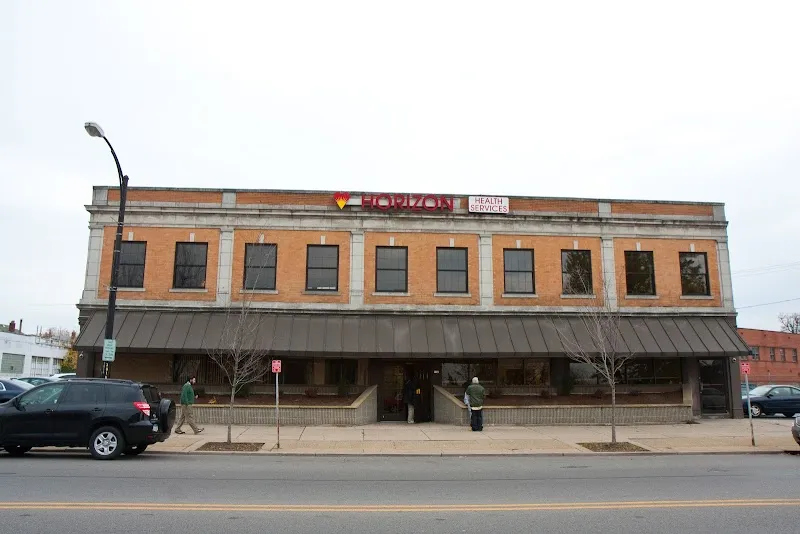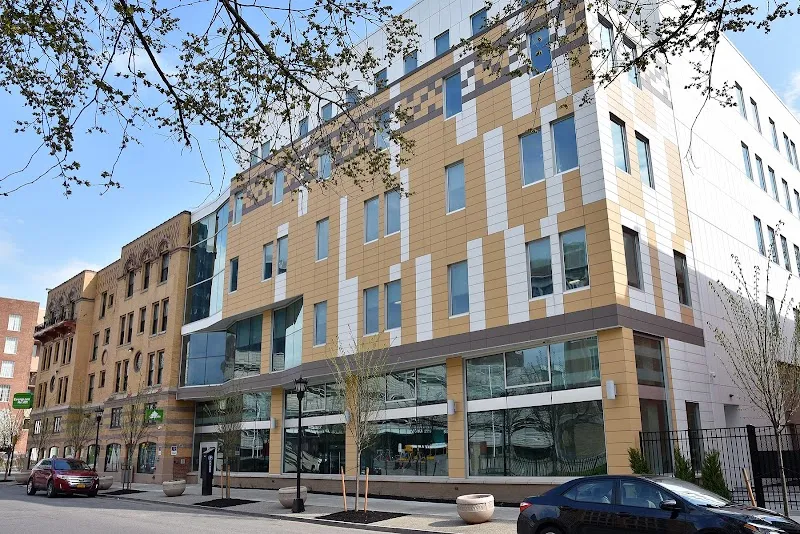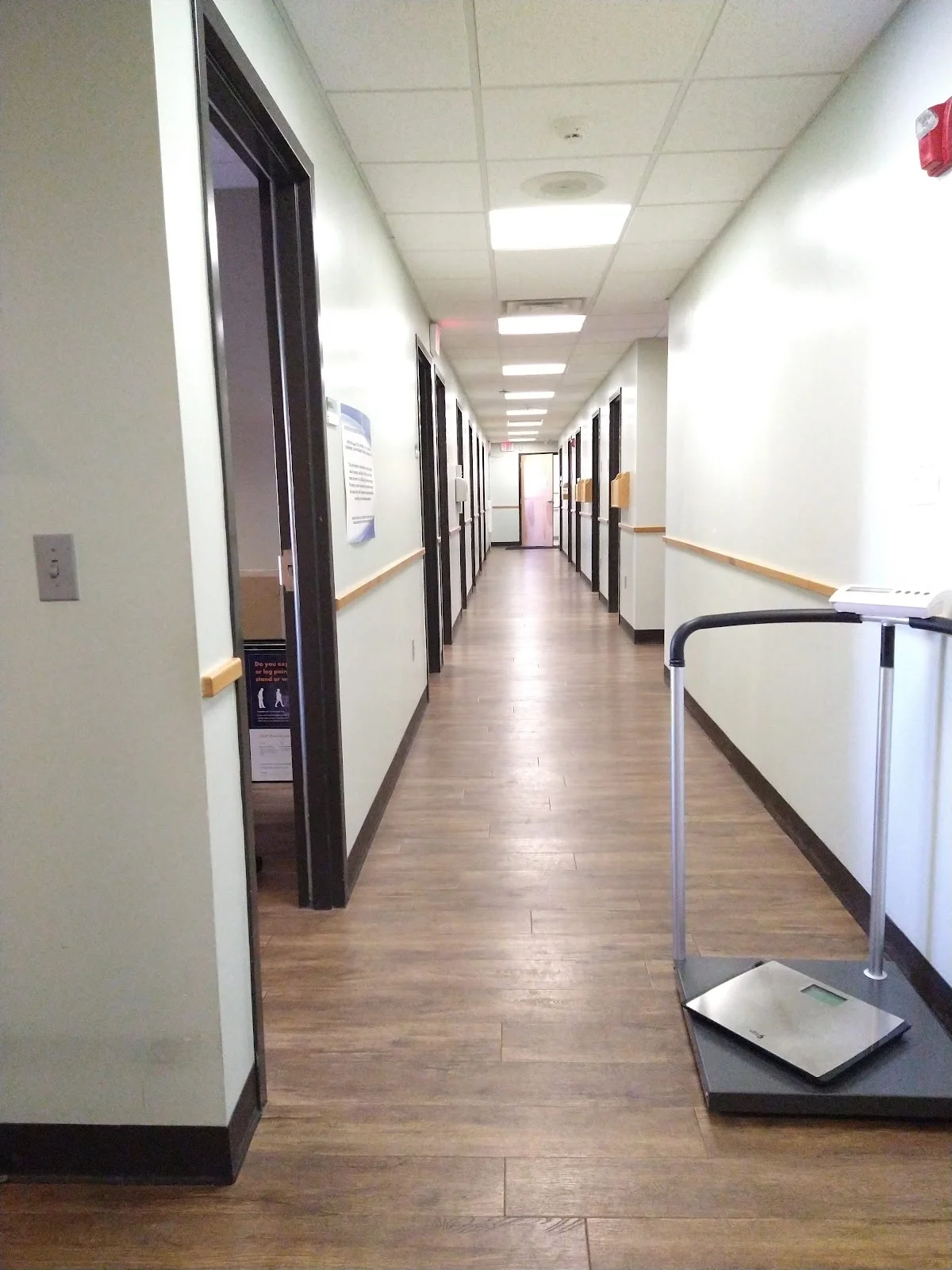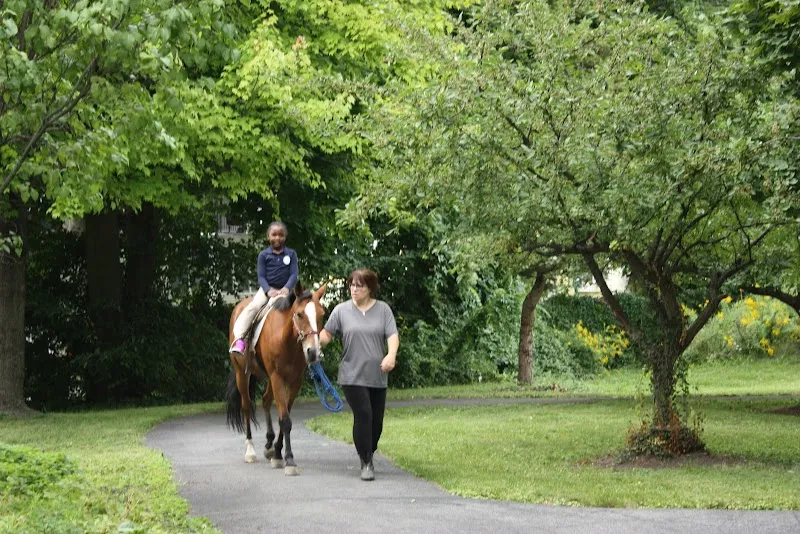
Finding the right addiction treatment center can be a transformative step toward recovery. Buffalo, NY, offers a range of treatment options tailored to meet diverse needs. This comprehensive guide will navigate you through the types of treatment centers available, how to evaluate their quality of care, what to expect during admission, and the various financial considerations involved. Let's embark on this journey toward healing together.
Types of Treatment Centers in Buffalo, NY
In Buffalo, you will encounter several types of addiction treatment centers, each designed to cater to different levels of care:
1. Residential Treatment Centers
These facilities provide 24/7 care, offering a structured environment where individuals can focus solely on their recovery. Residential treatment is ideal for those with severe addiction issues or co-occurring mental health disorders.
2. Partial Hospitalization Programs (PHP)
PHPs offer intensive daytime treatment while allowing individuals to return home in the evening. This option is suitable for those who need substantial support but do not require full-time residential care.
3. Intensive Outpatient Programs (IOP)
IOPs provide flexible treatment hours, allowing individuals to attend therapy several times a week while maintaining their daily responsibilities. This is a great option for those stepping down from residential care or those needing more support than traditional outpatient therapy.
Evaluating Quality of Care
When selecting a treatment center, assessing the quality of care is essential. Here are key factors to consider:
- Staff Qualifications: Ensure that the facility employs licensed professionals with experience in addiction treatment.
- Individualized Treatment Plans: Look for centers that tailor their programs to meet the unique needs of each individual.
- Therapeutic Approaches: Consider what evidence-based therapies are offered, such as Cognitive Behavioral Therapy (CBT), Dialectical Behavior Therapy (DBT), or Motivational Interviewing.
- Patient Reviews: Research testimonials and reviews from former patients to gauge their experiences.
Accreditation Matters
Accreditation ensures that treatment centers meet specific standards of care. In Buffalo, look for the following accreditations:
- Commission on Accreditation of Rehabilitation Facilities (CARF): CARF-accredited facilities have demonstrated a commitment to providing high-quality care.
- The Joint Commission: This organization evaluates and accredits healthcare organizations, ensuring compliance with safety and quality standards.
What to Expect During Admission
The admission process typically involves several steps:
- Initial Assessment: You will undergo an assessment to determine the severity of your addiction and any co-occurring mental health issues.
- Medical Evaluation: A medical professional will review your health history and current medications.
- Treatment Planning: Based on the assessment, a personalized treatment plan will be developed.
Average Cost and Length of Stay
The cost and duration of treatment can vary widely depending on the type of program:
- Residential Treatment: Typically ranges from $10,000 to $30,000 for a 30-day stay.
- PHP: Costs can be around $350 to $700 per day, with programs lasting anywhere from 2 weeks to several months.
- IOP: Average costs are generally between $250 to $500 per week, depending on the frequency of sessions.
Insurance and State-Funded Options
Many treatment centers in Buffalo accept various insurance plans. It's essential to verify with your insurance provider regarding coverage specifics. Here are some commonly accepted insurances:
- UnitedHealthcare
- Blue Cross Blue Shield
- Aetna
- Cigna
Additionally, state-funded options may be available for those without insurance or with limited financial resources. Contact local health departments or community organizations for more information on these resources.
Aftercare Planning
Aftercare is a critical aspect of the recovery journey. Many centers in Buffalo offer aftercare programs that may include:
- Support Groups: Participation in groups like Alcoholics Anonymous (AA) or Narcotics Anonymous (NA) can provide ongoing support.
- Continued Therapy: Individual or group therapy sessions can help maintain progress and address any ongoing challenges.
How to Get Started
Taking the first step toward recovery is courageous. Here’s how you can begin:
- Research Treatment Centers: Look for facilities that meet your needs and preferences.
- Contact Centers: Reach out to inquire about programs, admission processes, and costs.
- Seek Support: Talk to trusted friends or family members to help guide you through the decision-making process.
Remember, you are not alone on this journey, and each step you take brings you closer to a healthier future. Recovery is possible, and Buffalo offers the resources to help you achieve it.
More Recovery Resources in Buffalo
Sober Network is a directory, not an intake form. Explore local facilities and contact providers directly.