Relapse prevention is a crucial aspect of addiction recovery, particularly for individuals in Buffalo, NY, where the environment can present unique challenges and triggers. Understanding the stages of relapse, recognizing common triggers, and creating a comprehensive personal relapse prevention plan can empower individuals to maintain their sobriety. This guide will delve into these elements, providing practical strategies and resources to help you stay on the path to recovery.
Konprann Etap Rechit yo
Relapse often occurs in three stages: emotional, mental, and physical. Recognizing these stages can help individuals intervene before a full relapse occurs.
Emotional Relapse
During the emotional stage, individuals may begin to experience feelings of stress, anxiety, or depression without consciously thinking about using substances. Signs include:
- Withdrawing from friends and family
- Neglecting self-care
- Increased irritability
- Feeling overwhelmed
Mental Relapse
In the mental stage, thoughts about using substances return. This can manifest as:
- Romanticizing past substance use experiences
- Planning ways to use again
- Justifying potential use
Physical Relapse
The final stage is physical relapse, where the individual actually consumes substances. It’s vital to catch the earlier stages to prevent this outcome.
Common Triggers in the Buffalo Environment
Buffalo has a vibrant culture but also presents various triggers that can lead to relapse. Common triggers include:
- Seasonal Affective Disorder: Buffalo's long winters can exacerbate feelings of depression.
- Social Gatherings: Events where substances are present can be tempting.
- Old Haunts: Places associated with past substance use can trigger cravings.
- Stressful Situations: Work, family, and financial pressures can lead to emotional distress.
Creating a Personal Relapse Prevention Plan
A personalized relapse prevention plan is essential for maintaining sobriety. Here are steps to create an effective plan:
- Idantifye Deklanchè yo: List out situations, people, and feelings that trigger your cravings.
- Devlope estrateji pou jere sitiyasyon an: Outline strategies to manage cravings or stress, such as deep breathing exercises, going for a walk, or engaging in a hobby.
- Set Clear Goals: Define both short-term and long-term recovery goals.
- Regularly Review and Adjust: Your plan should be a living document that you revisit and adjust as necessary.
The HALT Acronym
The HALT acronym is a helpful tool to remember when you are feeling vulnerable. It stands for:
- Grangou: Ensure you eat regularly to maintain energy and mood.
- Fache: Recognize and express your feelings constructively.
- Poukont li: Angaje w ak rezo sipò w la pou konbat santiman izolasyon.
- Fatige: Prioritize sleep and rest to keep your mind and body healthy.
Bati yon Rezo Sipò
A strong support network is critical in recovery. Consider the following steps:
- Connect with Others in Recovery: Attend support groups like AA or NA to share experiences and gain encouragement.
- Involve Family and Friends: Communicate your needs and ask for support from loved ones.
- Jwenn yon Sponsò: A sponsor can provide guidance and accountability throughout your recovery journey.
Utilizing Buffalo Recovery Community Resources
Buffalo has numerous resources to support your recovery:
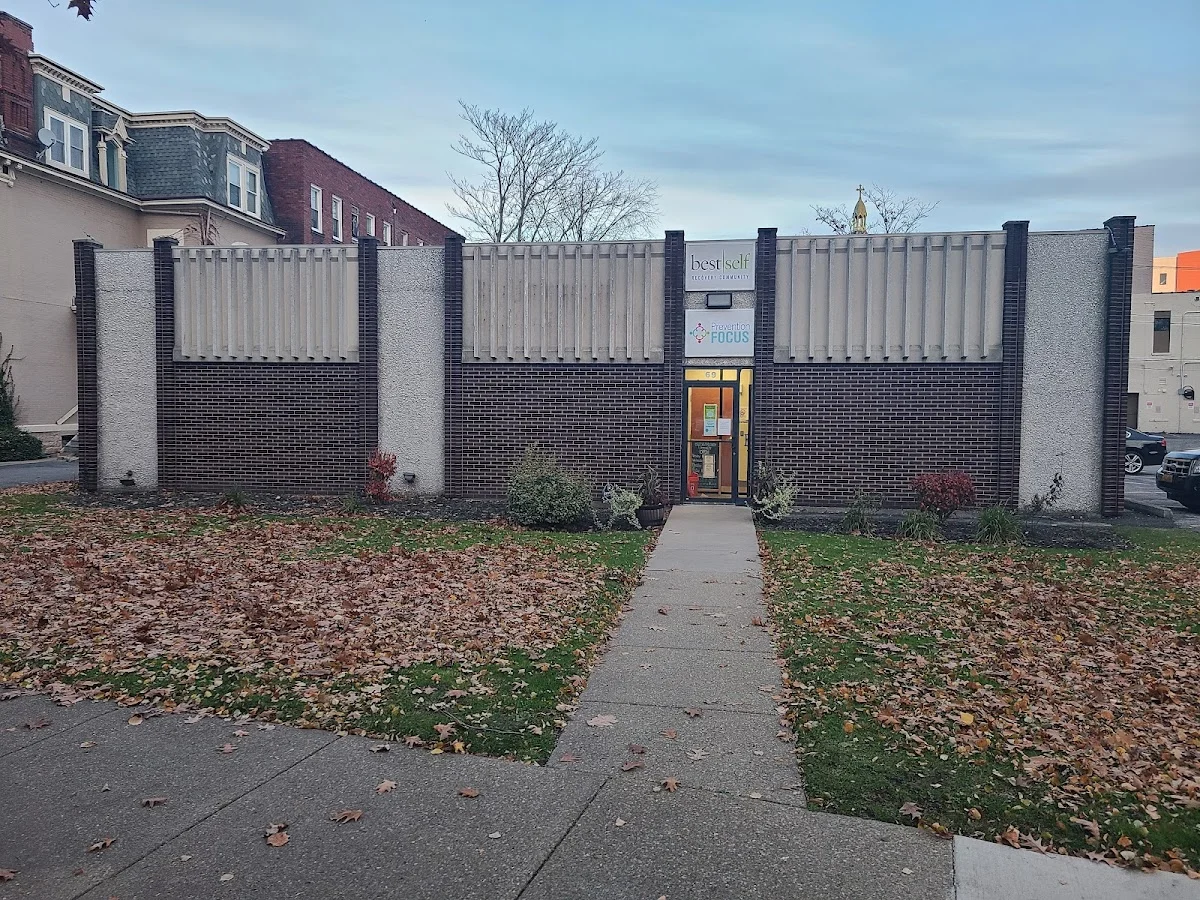
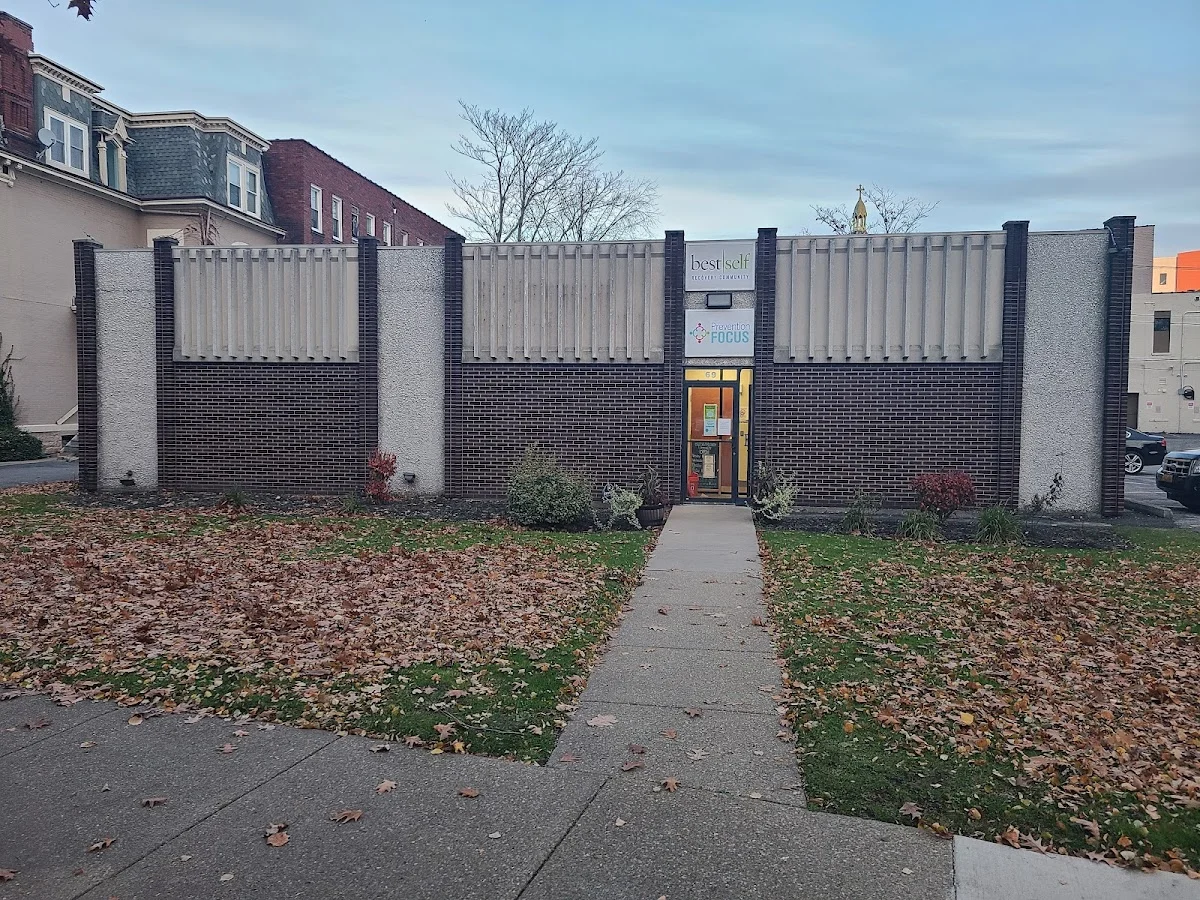
- Buffalo Recovery Community Center: Offers peer support, resources, and activities.
- Gwoup Sipò Lokal yo: Find meetings for Alcoholics Anonymous, Narcotics Anonymous, and other recovery groups.
- Therapy and Counseling: Seek professional help through local therapists specializing in addiction recovery.
What to Do If You Slip
If you experience a slip or relapse, it’s important to take immediate and constructive steps:
- Don’t Isolate: Reach out to your support network and communicate what happened.
- Reflechi: Analyze what led to the slip and how you can prevent it in the future.
- Recommit: Reaffirm your commitment to recovery and adjust your relapse prevention plan as needed.
Coping with Cravings
Managing cravings is a significant part of maintaining sobriety. Here are some strategies:
- Delay: When a craving strikes, wait for 10-15 minutes before acting on it.
- Distract: Engage in activities that require focus, like reading or exercising.
- Pratike atensyon plen (Mindfulness): Use mindfulness techniques to stay present and aware of your feelings without judgment.
Mindfulness and Stress Reduction Techniques
Incorporating mindfulness and stress reduction techniques can greatly enhance your recovery journey:
- Meditasyon: Practice daily meditation to cultivate awareness and reduce anxiety.
- Deep Breathing: Use deep breathing exercises to calm your mind during stressful moments.
- Yoga: Engage in yoga to promote physical and emotional balance.
In summary, employing effective relapse prevention strategies can empower individuals in recovery to navigate the unique challenges presented by their environment in Buffalo, NY. By understanding the stages of relapse, recognizing triggers, and utilizing community resources, you can create a sustainable path to recovery. Remember, each day is a new opportunity to strengthen your commitment to sobriety.
Plis Resous Rekiperasyon nan Buffalo
Sober Network is a directory, not an intake form. Explore local facilities and contact providers directly.