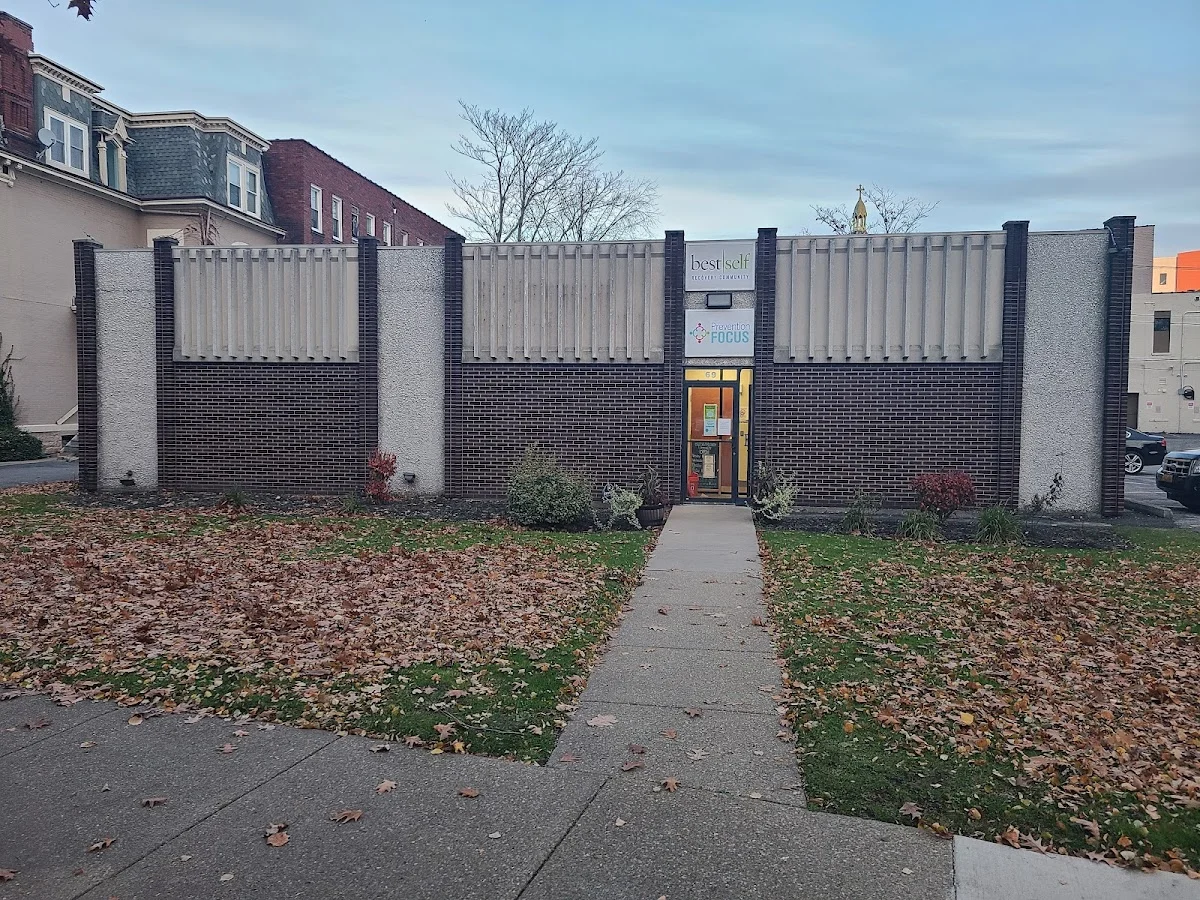
Finding the right addiction treatment program is a crucial step towards lasting recovery. In Buffalo, NY, a range of outpatient options cater to diverse needs and stages of recovery. Understanding the differences between Intensive Outpatient Programs (IOPs), Partial Hospitalization Programs (PHPs), and standard outpatient care, along with their schedules, suitability, and costs, can help you make an informed decision.
Understanding Outpatient Addiction Treatment Programs
Intensive Outpatient Programs (IOPs)
IOPs offer a structured approach to treatment while allowing individuals to live at home. They typically involve several hours of therapy per week, spread across multiple days. IOPs focus on relapse prevention, coping skills, and building a support network.
- Programação diária: Typically, IOPs in Buffalo meet 3-5 days a week for 2-4 hours each session. These sessions often include group therapy, individual counseling, and educational workshops. Some programs offer morning, afternoon, or evening sessions to accommodate work or school schedules.
- Who is Best Suited: IOPs are ideal for individuals who:
- Have completed inpatient treatment and need a step-down approach.
- Have a stable living environment and a strong support system at home.
- Require more intensive therapy than standard outpatient care but don't need 24/7 supervision.
- Are motivated to attend regular sessions and actively participate in their recovery.
Partial Hospitalization Programs (PHPs)
PHPs, also known as day treatment programs, provide a more intensive level of care than IOPs. Participants attend treatment for most of the day, several days a week, while still returning home in the evenings. PHPs offer a structured environment with a focus on medical and psychiatric stabilization.
- Programação diária: PHPs in Buffalo usually run for 5-7 days a week, for 6-8 hours each day. The schedule includes a combination of individual therapy, group therapy, medication management, and recreational activities.
- Who is Best Suited: PHPs are suitable for individuals who:
- Require a higher level of care than IOPs but don't need 24/7 inpatient supervision.
- Are experiencing co-occurring mental health disorders that need to be addressed alongside addiction.
- Need a structured environment to help them stay on track with their recovery.
- Are medically stable but require ongoing monitoring.
Standard Outpatient Programs
Standard outpatient programs offer the least intensive level of care. They typically involve weekly or bi-weekly therapy sessions with a counselor or therapist. These programs focus on maintaining sobriety, addressing underlying issues, and building long-term recovery strategies.
- Programação diária: Standard outpatient programs in Buffalo usually involve 1-2 sessions per week, each lasting 1-2 hours. The sessions are typically individual therapy, but some programs also offer group therapy options.
- Who is Best Suited: Standard outpatient programs are ideal for individuals who:
- Have a strong foundation in recovery and are looking for ongoing support.
- Are able to maintain sobriety independently but need help with specific challenges.
- Have completed IOP or PHP and are transitioning to a less intensive level of care.
- Have mild addiction issues and a strong support system.
Transição do atendimento hospitalar para o atendimento ambulatorial
Transitioning from inpatient to outpatient care is a crucial phase of recovery. A well-planned transition can significantly increase the chances of long-term success. This usually involves:
- Developing a discharge plan: Work with the inpatient treatment team to create a detailed plan that outlines your outpatient treatment goals, schedule, and support network.
- Scheduling follow-up appointments: Before leaving inpatient treatment, schedule appointments with your outpatient therapist, psychiatrist, and any other healthcare providers.
- Identifying support groups: Find local support groups, such as Alcoholics Anonymous (AA) or Narcotics Anonymous (NA), and attend meetings regularly.
- Establishing a daily routine: Create a structured daily routine that includes healthy habits, such as exercise, healthy eating, and mindfulness practices.
Comparação de custos e cobertura de seguro
The cost of outpatient addiction treatment programs in Buffalo varies depending on the level of care, the length of the program, and the specific services offered.
- PHP: PHPs are the most expensive outpatient option, typically costing several hundred dollars per day.
- IOP: IOPs are less expensive than PHPs, but still involve a significant investment. The cost can range from $100 to $300 per session.
- Atendimento ambulatorial padrão: Standard outpatient programs are the most affordable option, with individual therapy sessions typically costing $75 to $200 per session.
Most insurance plans cover addiction treatment services, but the extent of coverage varies. Contact your insurance provider to verify your benefits and understand your out-of-pocket costs. Many treatment centers also offer payment plans or sliding scale fees to make treatment more accessible.
Finding Outpatient Programs in Buffalo, NY
Finding the right outpatient addiction treatment program in Buffalo requires research and careful consideration. Here are some resources to help you get started:
- SAMHSA Behavioral Health Treatment Services Locator: This online tool allows you to search for treatment programs by location and type of service.
- Your primary care physician: Your doctor can provide referrals to local treatment centers and help you assess your needs.
- Local hospitals and mental health clinics: Many hospitals and clinics in Buffalo offer outpatient addiction treatment services.
- Online directories: Websites like Psychology Today and FindTreatment.gov list therapists and treatment centers in the Buffalo area.
Practical Action Steps
- Avalie suas necessidades: Determine the level of care that is appropriate for your situation. Consider factors such as the severity of your addiction, your living environment, and your support system.
- Research programs: Use the resources mentioned above to find outpatient addiction treatment programs in Buffalo.
- Contact programs: Call the programs you are interested in and ask about their services, schedules, costs, and insurance coverage.
- Schedule an assessment: Most treatment centers offer free or low-cost assessments to help you determine if their program is a good fit.
- Make a decision: Choose the program that best meets your needs and start your journey to recovery.
Recovery is possible. By understanding the available outpatient options in Buffalo and taking proactive steps, you can find the support you need to achieve lasting sobriety.
Mais recursos de recuperação em Buffalo
Sober Network is a directory, not an intake form. Explore local facilities and contact providers directly.