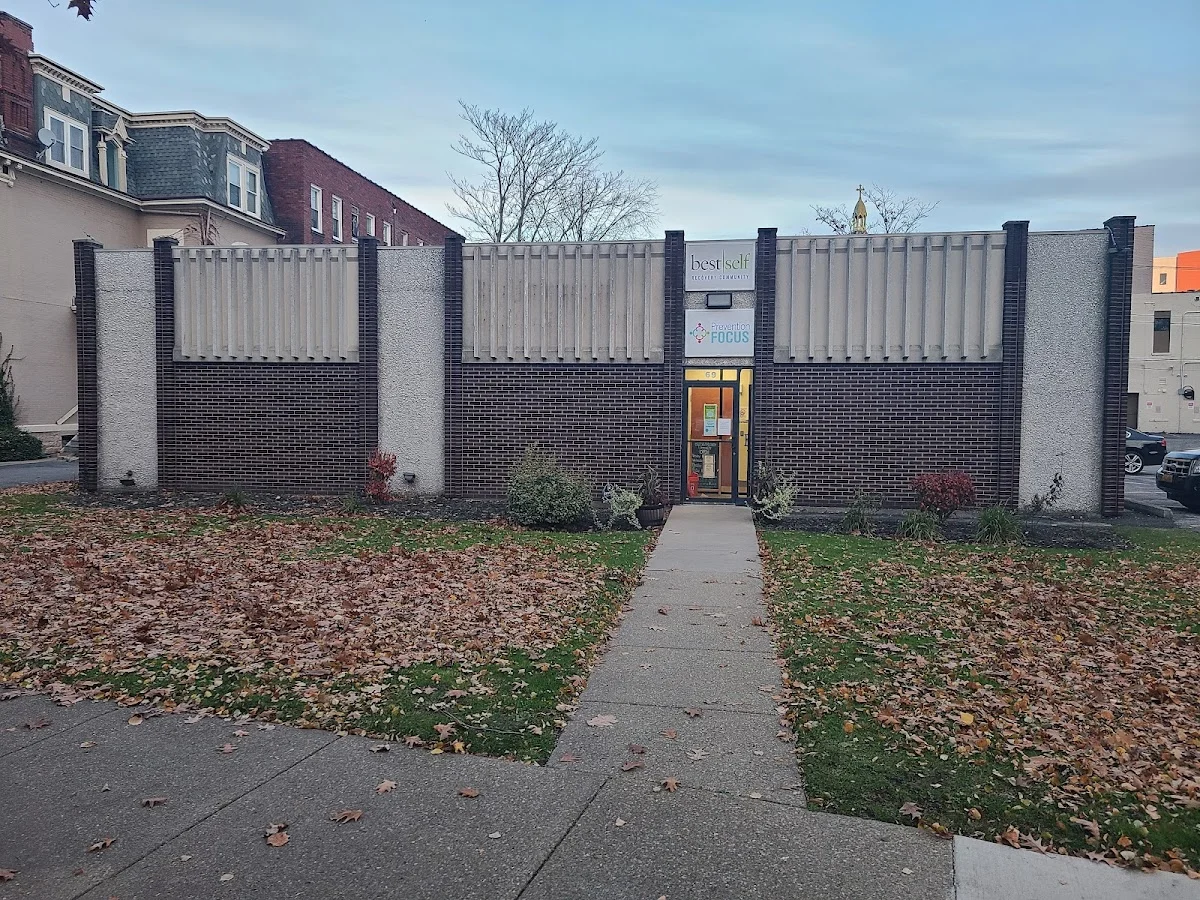
Supporting a loved one struggling with addiction can be an incredibly challenging journey for families. In Buffalo, NY, there are various resources available to help family members navigate this difficult path. From support groups to professional counseling, understanding how to communicate effectively and take care of yourself is crucial. This article highlights options that can provide guidance, support, and healing for families in need.
Support Groups for Families
Al-Anon and Nar-Anon Meetings
Al-Anon and Nar-Anon are two established support groups that specifically cater to families and friends of individuals struggling with alcohol and drug addiction, respectively. These meetings offer a safe space for participants to share their experiences, learn from others, and receive emotional support.
- Al-Anon: Focuses on the impact of alcoholism on families. Meetings in Buffalo can be found at various locations and times.
- Nar-Anon: Offers support for those affected by someone else's drug addiction. Similar to Al-Anon, Nar-Anon meetings provide a community for sharing and understanding.
Both organizations emphasize the importance of personal growth and coping strategies, making them invaluable resources for families in distress.
Professional Therapy and Counseling
Family Therapy Options
Family therapy can be an effective way for families to address the complexities of addiction together. In Buffalo, several licensed therapists specialize in addiction and family dynamics. These sessions can help family members communicate effectively and heal from the emotional wounds caused by addiction.
- Liệu pháp cá nhân: Family members can also benefit from individual counseling to process their feelings and learn coping mechanisms.
- Couples Therapy: If addiction is affecting a partnership, couples counseling can provide a space to discuss challenges and foster understanding.
How to Initiate the Conversation About Treatment
Approaching a loved one about their addiction can be daunting. Here are some compassionate ways to initiate this sensitive conversation:
- Chọn thời điểm thích hợp: Find a calm, private moment when your loved one is not under the influence to discuss their struggles.
- Express Concern, Not Judgment: Share your feelings using “I” statements, like “I feel worried when I see you struggling.”
- Be Prepared for Resistance: Understand that denial is common. Stay patient and let them know you’re there for support.
Be ready to provide information about treatment options and support groups, as well as expressing your willingness to assist them in seeking help.
Thiết lập ranh giới lành mạnh so với việc dung túng.
One of the most challenging aspects of loving someone with an addiction is knowing where to draw the line. Setting healthy boundaries is essential to avoid enabling behaviors that can perpetuate the cycle of addiction. Here are some tips:
- Define Your Limits: Be clear about what behaviors you will and will not tolerate.
- Giao tiếp cởi mở: Discuss boundaries with your loved one and explain the rationale behind them.
- Stick to Your Boundaries: Consistency is key. If a boundary is crossed, follow through with the consequences you established.
Healthy boundaries protect your well-being and can encourage your loved one to seek the help they need.
Tự chăm sóc bản thân cho các thành viên trong gia đình
Caring for a loved one with an addiction can be emotionally draining. Prioritizing self-care is essential for maintaining your mental health. Here are some strategies:
- Tìm kiếm sự hỗ trợ: Engage in support groups like Al-Anon or Nar-Anon to share your experiences and feelings.
- Thực hành Chánh niệm: Activities like meditation, yoga, or journaling can help manage stress and promote emotional well-being.
- Maintain Social Connections: Spend time with friends and family who support you. Isolation can exacerbate feelings of despair.
Dịch vụ can thiệp
In some cases, a structured intervention may be necessary to encourage a loved one to seek treatment. Professional interventionists can guide families through this process, ensuring that the intervention is compassionate and effective. In Buffalo, there are local services offering intervention assistance to help families navigate these challenging moments.
Các chương trình dành cho gia đình tại các trung tâm điều trị
Many treatment centers in Buffalo offer family programs as part of their holistic approach to recovery. These programs typically include:
- Giáo dục gia đình: Sessions that provide information about addiction and recovery processes.
- Liệu pháp gia đình: Opportunities to engage in therapeutic sessions together, fostering healing and understanding.
- Các nhóm hỗ trợ: Ongoing support for families after their loved one has entered treatment.
Phương pháp CRAFT dành cho gia đình
The Community Reinforcement and Family Training (CRAFT) method is a research-backed approach that empowers families to motivate their loved ones toward recovery. CRAFT focuses on:
- Positive Reinforcement: Encouraging healthy behaviors by recognizing and rewarding small successes.
- Effective Communication: Teaching families how to express their feelings and needs without confrontation.
- Self-Care: Emphasizing the importance of family members taking care of their own mental health.
Local Buffalo Support Groups and Hotlines
For immediate support, families in Buffalo can reach out to various hotlines and local organizations:
- Buffalo Crisis Services: Provides 24/7 support for individuals in crisis.
- New York State OASAS: Offers resources and support for families affected by addiction.
- Local Support Groups: Check community centers and hospitals for listings of support groups and meetings in your area.
Remember, you are not alone in this journey. Seeking help for yourself and your loved one is a courageous step towards healing and recovery. In Buffalo, the support systems available can provide you with the tools and community you need to navigate this challenging time.
More Recovery Resources in Buffalo
Sober Network is a directory, not an intake form. Explore local facilities and contact providers directly.