Understanding IOP and PHP Programs in Buffalo for Addiction Recovery
Navigating the world of addiction recovery can feel overwhelming, especially when trying to understand the different levels of care available. In Buffalo, Intensive Outpatient Programs (IOPs) and Partial Hospitalization Programs (PHPs) offer structured support for individuals seeking recovery without requiring them to reside at a treatment facility. This guide will provide a detailed overview of these programs, helping you determine if they are the right fit for you or a loved one in the Buffalo area.
What are IOPs and PHPs?
Both IOPs and PHPs bridge the gap between inpatient rehabilitation and traditional outpatient therapy. They offer a more intensive level of support than standard outpatient services, providing a structured environment with regular therapy sessions, group support, and educational workshops. The key difference lies in the intensity and time commitment required.
- Intensive Outpatient Programs (IOPs): IOPs typically involve attending treatment sessions for several hours per day, a few days per week. This allows individuals to maintain some of their daily routines, such as work or school, while still receiving intensive support.
- Partial Hospitalization Programs (PHPs): PHPs, sometimes referred to as day treatment programs, offer a more comprehensive and structured approach. Individuals in PHPs attend treatment sessions for most of the day, several days a week, similar to a full-time job. This level of care is often recommended for individuals who need a higher level of support but do not require 24/7 medical supervision.
Who Benefits from IOPs and PHPs in Buffalo?
IOPs and PHPs in Buffalo are designed for individuals who:
- Are stepping down from inpatient rehabilitation and need continued support.
- Require more intensive treatment than traditional outpatient therapy can provide.
- Have a stable living environment and a supportive network.
- Are medically stable and do not require 24/7 medical supervision.
- Are motivated to participate in treatment and actively work towards recovery.
- May have co-occurring mental health conditions, such as depression or anxiety, that need to be addressed alongside addiction.
Components of IOP and PHP Programs in Buffalo
While specific program structures may vary, most IOPs and PHPs in Buffalo incorporate the following core components:
- Individual Therapy: One-on-one counseling sessions with a licensed therapist to address underlying issues contributing to addiction, develop coping mechanisms, and create personalized recovery plans.
- Group Therapy: Participating in group sessions with peers who are also in recovery. This provides a supportive environment to share experiences, learn from others, and build a sense of community. Many programs in Buffalo utilize evidence-based group therapy models.
- Educational Workshops: Learning about addiction, relapse prevention strategies, coping skills, and healthy lifestyle choices. Workshops often cover topics such as nutrition, stress management, and conflict resolution.
- Medication-Assisted Treatment (MAT): For individuals struggling with opioid or alcohol addiction, MAT may be incorporated into the program. MAT involves using FDA-approved medications, such as Suboxone or Naltrexone, in combination with therapy and counseling to reduce cravings and withdrawal symptoms. Several Buffalo area treatment centers have specialized MAT programs.
- Family Therapy: Involving family members in the treatment process to improve communication, address codependency issues, and create a supportive home environment.
- Case Management: Connecting individuals with community resources, such as housing assistance, job training, and legal services, to support their long-term recovery. Many Buffalo programs have strong relationships with local community organizations.
- Relapse Prevention Planning: Developing a personalized plan to identify triggers, manage cravings, and prevent relapse.
Finding IOP and PHP Programs in Buffalo
Buffalo and the surrounding areas offer a variety of IOP and PHP programs. When searching for a program, consider the following factors:
- Accreditation: Ensure the program is accredited by a reputable organization, such as the Joint Commission or CARF International.
- Licensure: Verify that the program is licensed by the New York State Office of Addiction Services and Supports (OASAS).
- Treatment Philosophy: Understand the program's approach to treatment and ensure it aligns with your values and beliefs.
- Staff Qualifications: Inquire about the credentials and experience of the program's staff, including therapists, counselors, and medical professionals.
- Program Schedule: Determine if the program's schedule fits your needs and commitments.
- Insurance Coverage: Check with your insurance provider to determine the extent of coverage for IOP and PHP services. Many programs in Buffalo accept a variety of insurance plans.
- Location and Accessibility: Consider the program's location and accessibility, especially if you rely on public transportation.
- Cost: Understand the program's cost and payment options.
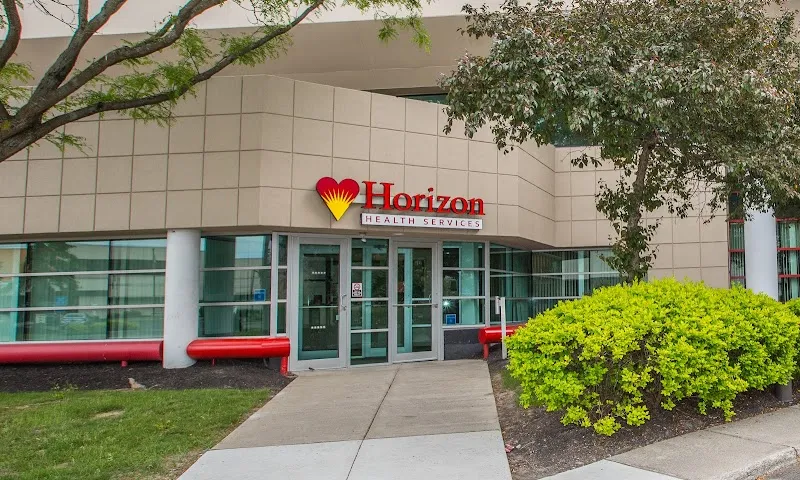
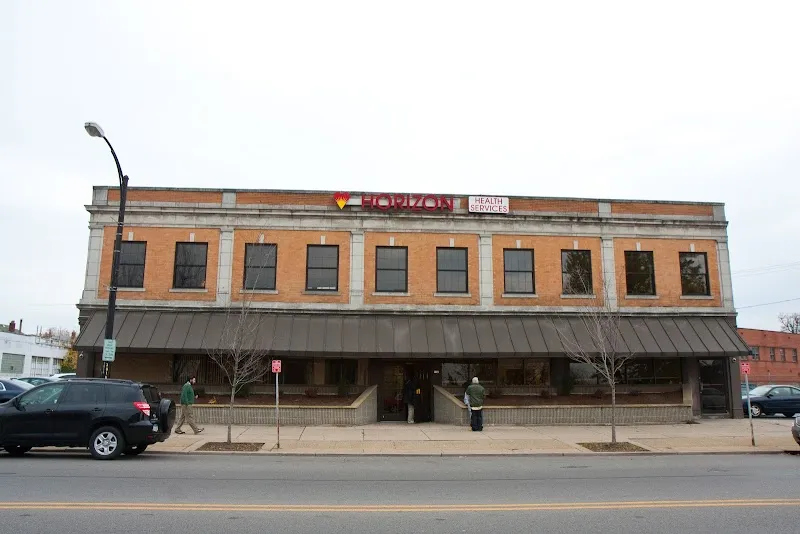
You can find a list of OASAS-certified treatment providers in Erie County, including those offering IOP and PHP services, on the OASAS website. Local hospitals, such as Erie County Medical Center (ECMC) and Kaleida Health, may also offer addiction treatment programs. Furthermore, organizations like Horizon Health Services and Spectrum Human Services are well-regarded providers in the Buffalo area.
The Importance of Aftercare
Completing an IOP or PHP is a significant step in the recovery journey, but it's crucial to continue with aftercare support to maintain long-term sobriety. Aftercare may include:
- Individual Therapy: Continuing with individual therapy to address ongoing issues and maintain coping skills.
- Support Groups: Attending support groups, such as Alcoholics Anonymous (AA) or Narcotics Anonymous (NA), for ongoing peer support. Numerous AA and NA meetings are held daily throughout Buffalo.
- Sober Living Homes: Transitioning to a sober living environment to provide a structured and supportive living environment.
- Outpatient Treatment: Participating in less intensive outpatient therapy sessions.
Remember, recovery is a journey, not a destination. With the right support and resources, you can achieve lasting sobriety and live a fulfilling life in Buffalo.
More Recovery Resources in Buffalo
Sober Network is a directory, not an intake form. Explore local facilities and contact providers directly.