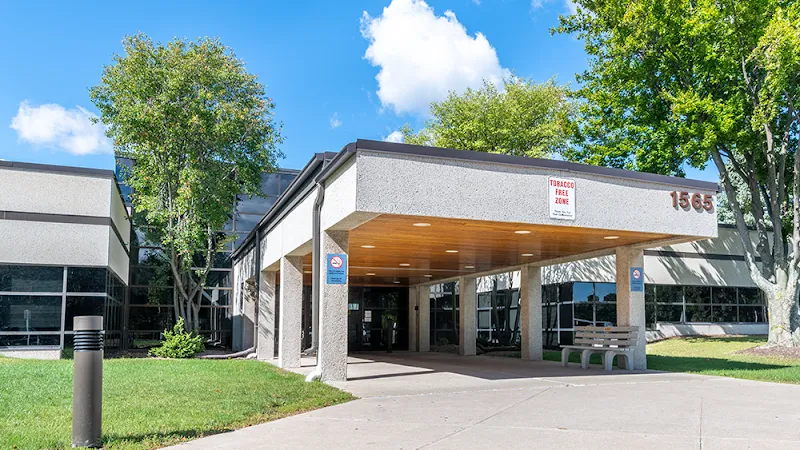
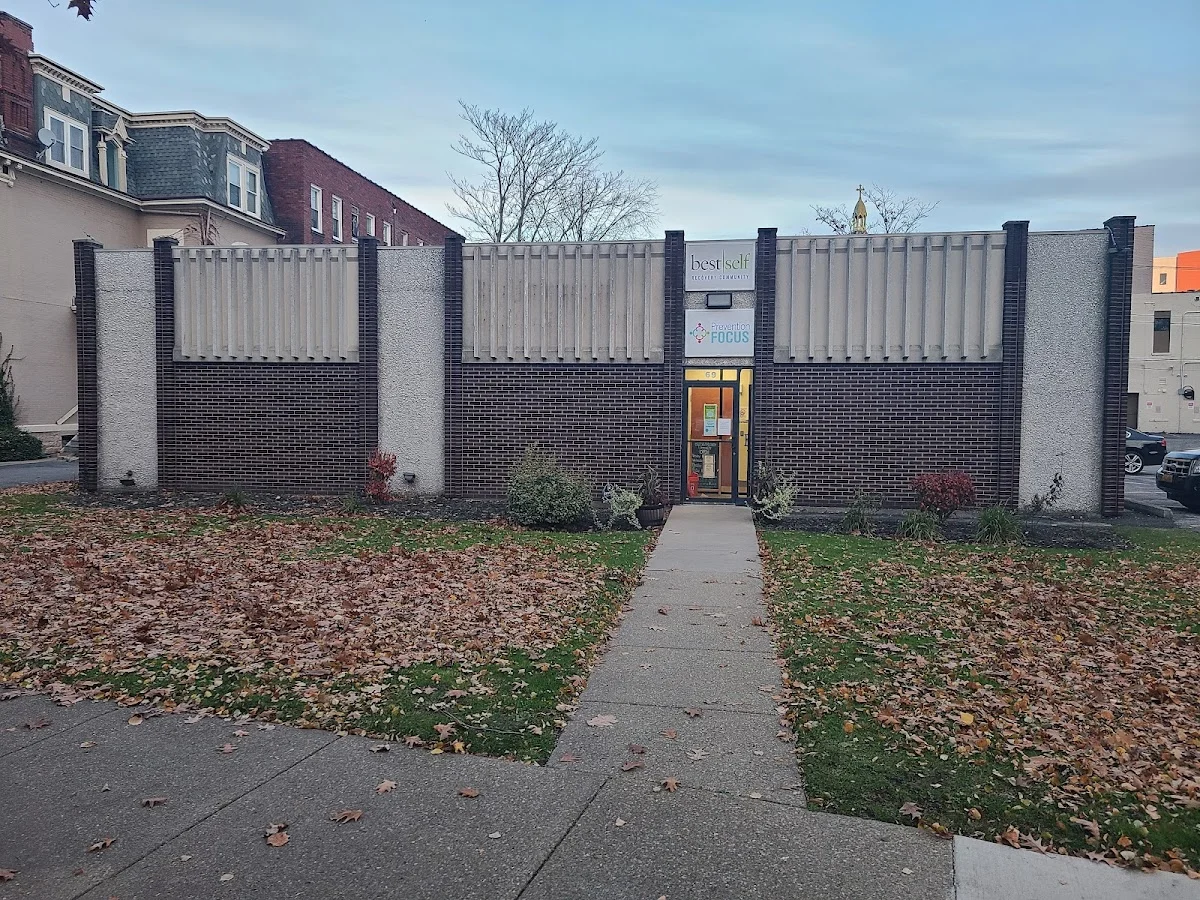
Understanding insurance coverage for addiction treatment in Buffalo, NY, is crucial for individuals seeking help and their families. Navigating the complexities of mental health care and rehabilitation can be daunting, especially when it comes to understanding what your insurance plan covers. This guide aims to provide a comprehensive overview of the options available, including major insurers, Medicaid and Medicare coverage, and practical steps to ensure you access the treatment you need.
Loi sur la parité en matière de santé mentale
The Mental Health Parity Act mandates that insurance companies provide equal coverage for mental health and substance use disorder treatment as they do for physical health. This means that if your insurance covers medical treatment for a condition, it must also cover treatment for addiction at the same level. Understanding this law can empower you to advocate for necessary services.
Major Insurers in Buffalo, NY
Several major insurance providers offer plans that cover addiction treatment. Here’s a breakdown of what some of the key insurers offer:
- Aetna: Aetna typically covers detoxification, inpatient rehabilitation, outpatient counseling, and medication-assisted treatment (MAT). They also have a network of facilities that specialize in addiction recovery.
- Blue Cross Blue Shield (BCBS): BCBS plans often include comprehensive coverage for both inpatient and outpatient services, including MAT. They emphasize a holistic approach to treatment.
- Cigna: Cigna provides coverage for a range of addiction services, including detox, inpatient treatment, outpatient programs, and aftercare support. Cigna also offers telehealth options.
- UnitedHealthcare: UnitedHealthcare covers various addiction treatment services, including residential treatment and outpatient care. They also provide access to a large network of providers.
- Humana: Humana covers many treatment options including detox, inpatient rehab, outpatient services, and MAT. They also focus on preventive care and mental health support.
Couverture Medicaid et Medicare
Medicaid
Medicaid in New York offers extensive coverage for addiction treatment services. This includes:
- Services de désintoxication
- Réadaptation en milieu hospitalier
- Outpatient counseling
- Traitement assisté par médicaments (TAM)
Eligibility is based on income and other factors. It’s important to check with your local Medicaid office to understand specific coverage details.
Medicare
Medicare also provides coverage for addiction treatment. Beneficiaries can access:
- Inpatient rehabilitation services
- thérapie ambulatoire
- Traitement assisté par médicaments (TAM)
Medicare typically covers a portion of the costs associated with these services, but beneficiaries may be responsible for deductibles and co-pays.
Comment vérifier ses prestations
Verifying your insurance benefits is a crucial step in the treatment process. Follow these actions:
- Contact your insurance provider directly using the phone number on the back of your insurance card.
- Ask specific questions about coverage for addiction treatment, including detox, inpatient, outpatient, and MAT.
- Request information about co-pays, deductibles, and any limits on the number of covered visits.
- Inquire about in-network vs. out-of-network providers to avoid unexpected costs.
Qu'est-ce qui est généralement couvert ?
La plupart des régimes d'assurance couvrent une gamme de services de traitement de la toxicomanie, notamment :
- Détox : Medical supervision during withdrawal to ensure safety and comfort.
- Réadaptation en milieu hospitalier : A stay in a treatment facility for intensive therapy and support.
- Programmes ambulatoires : Flexible treatment options allowing patients to live at home while attending therapy sessions.
- Traitement assisté par médicaments (TAM) : Use of medications alongside counseling to treat substance use disorders.
La procédure d'appel en cas de refus de demande
Si votre demande de prise en charge par votre assurance pour un traitement contre la toxicomanie est refusée, vous avez le droit de faire appel de cette décision. Voici comment procéder :
- Review the Explanation of Benefits (EOB) provided by your insurer to understand the reason for the denial.
- Contact your insurance provider to discuss the denial and request a detailed explanation.
- Gather supporting documentation, including treatment records and letters from healthcare providers.
- File a formal appeal by following the insurer's specific procedures, often outlined on their website.
- Consider contacting an advocate or lawyer specializing in health insurance if the appeal is complex.
Options pour les patients non assurés
Si vous n'êtes pas assuré, il existe néanmoins des solutions pour accéder à un traitement contre la toxicomanie :
- Programmes à tarif dégressif : Many treatment centers offer sliding scale fees based on income, making care more affordable for those with limited resources.
- Bourses d'études : Some rehabilitation facilities provide scholarships or grants that can cover part or all of the treatment costs. Research local facilities to find out what they offer.
- Ressources communautaires : Look for nonprofit organizations and community health programs that provide support and resources for addiction recovery.
Conclusion
Finding the right insurance coverage for addiction treatment in Buffalo, NY, can significantly impact your recovery journey. By understanding your rights under the Mental Health Parity Act, knowing what major insurers offer, and being aware of the resources available for uninsured individuals, you can take proactive steps towards obtaining the help you need. Don’t hesitate to reach out to your insurance provider or local treatment centers for guidance and support.
Sober Network is a directory, not an intake form. Explore local facilities and contact providers directly.